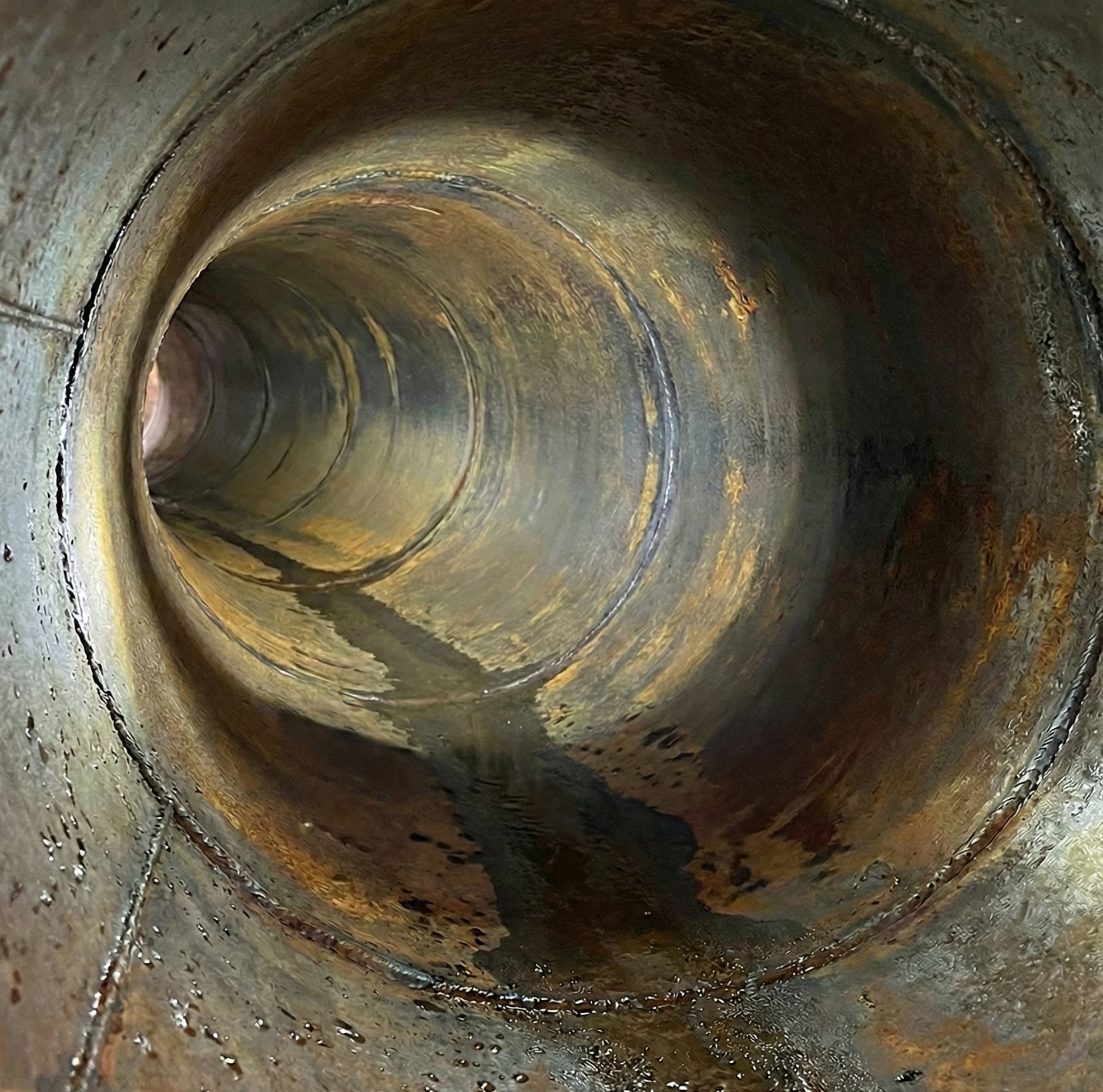
Honoring Legacy Infrastructure, Engineering Future Resilience
Providing expert non-destructive testing and high-precision inspections to ensure your industrial assets meet global safety standards.

highly rated & Certified
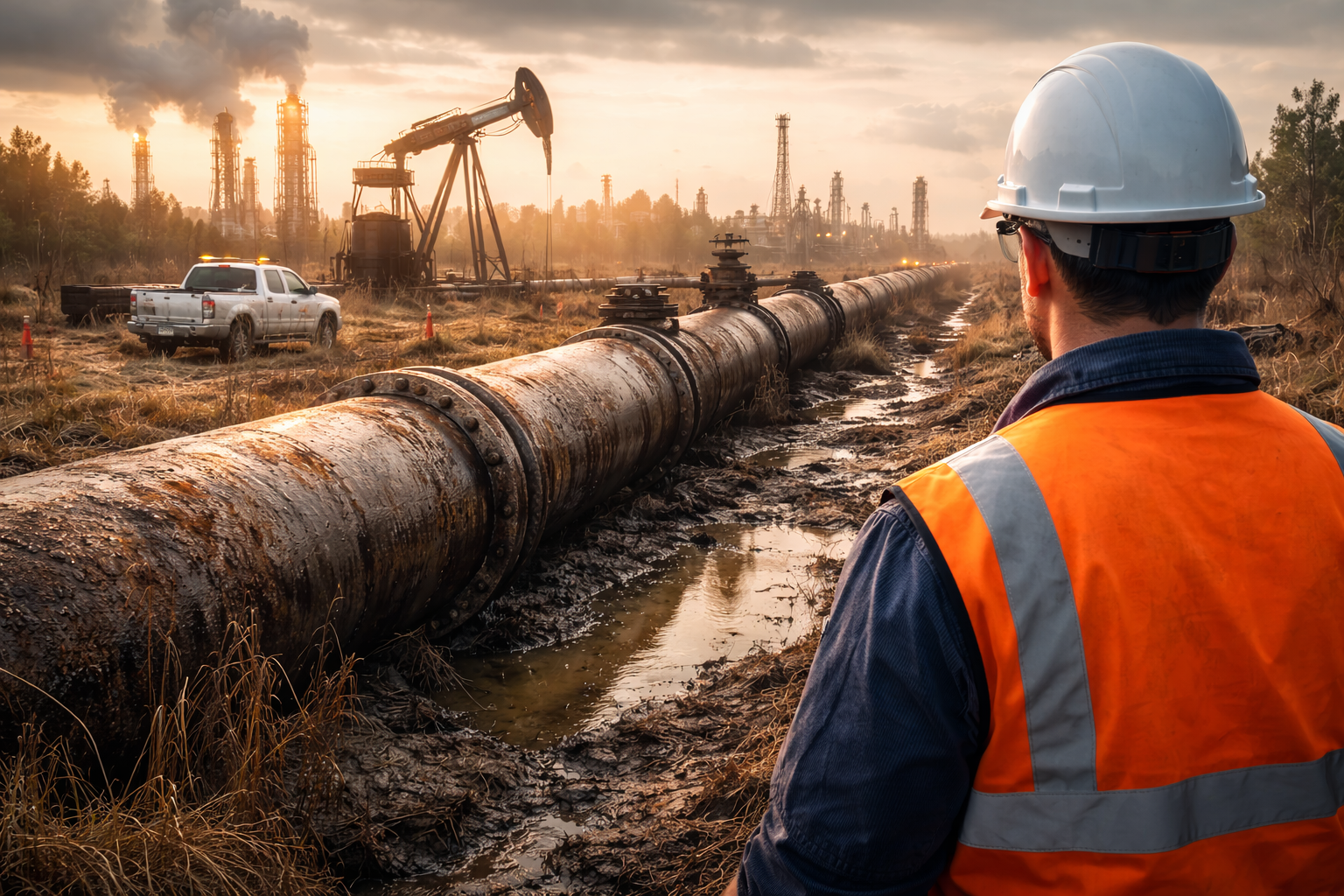
Providing high-rated precision inspections that ensure the structural integrity and safety of your critical pipelines.

Technical Reliability
Advanced diagnostic testing to detect defects early, minimizing downtime and securing your heavy manufacturing production.
product insights
Our products and technologies are designed to meet demanding industrial environments and comply with international standards, including Ex eb pxb IIC T5 Gb, IP68, IP67, and CE certifications. Through close collaboration with manufacturers and clients, AI Metal Solutions ensures high quality, safety, and continuous innovation.
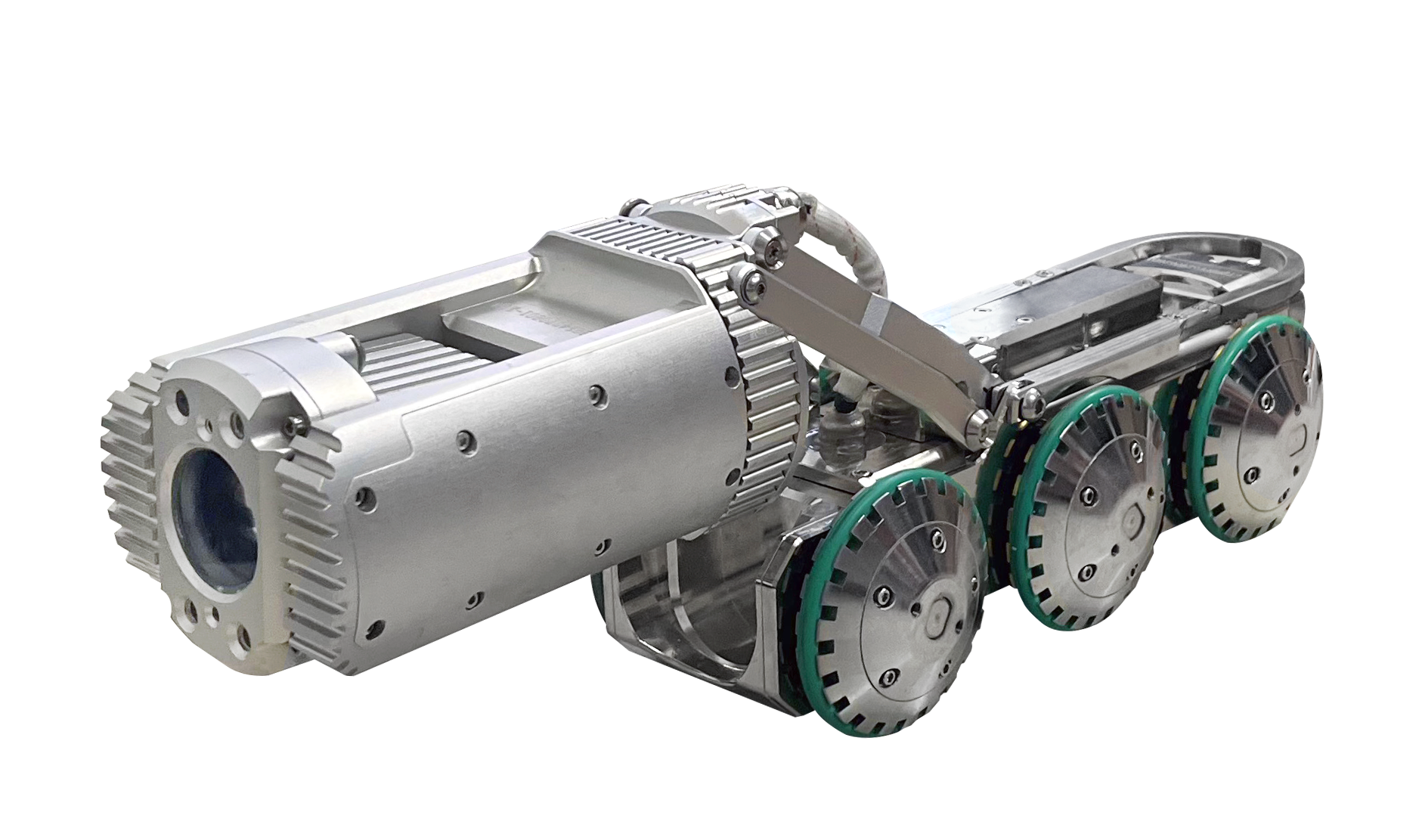
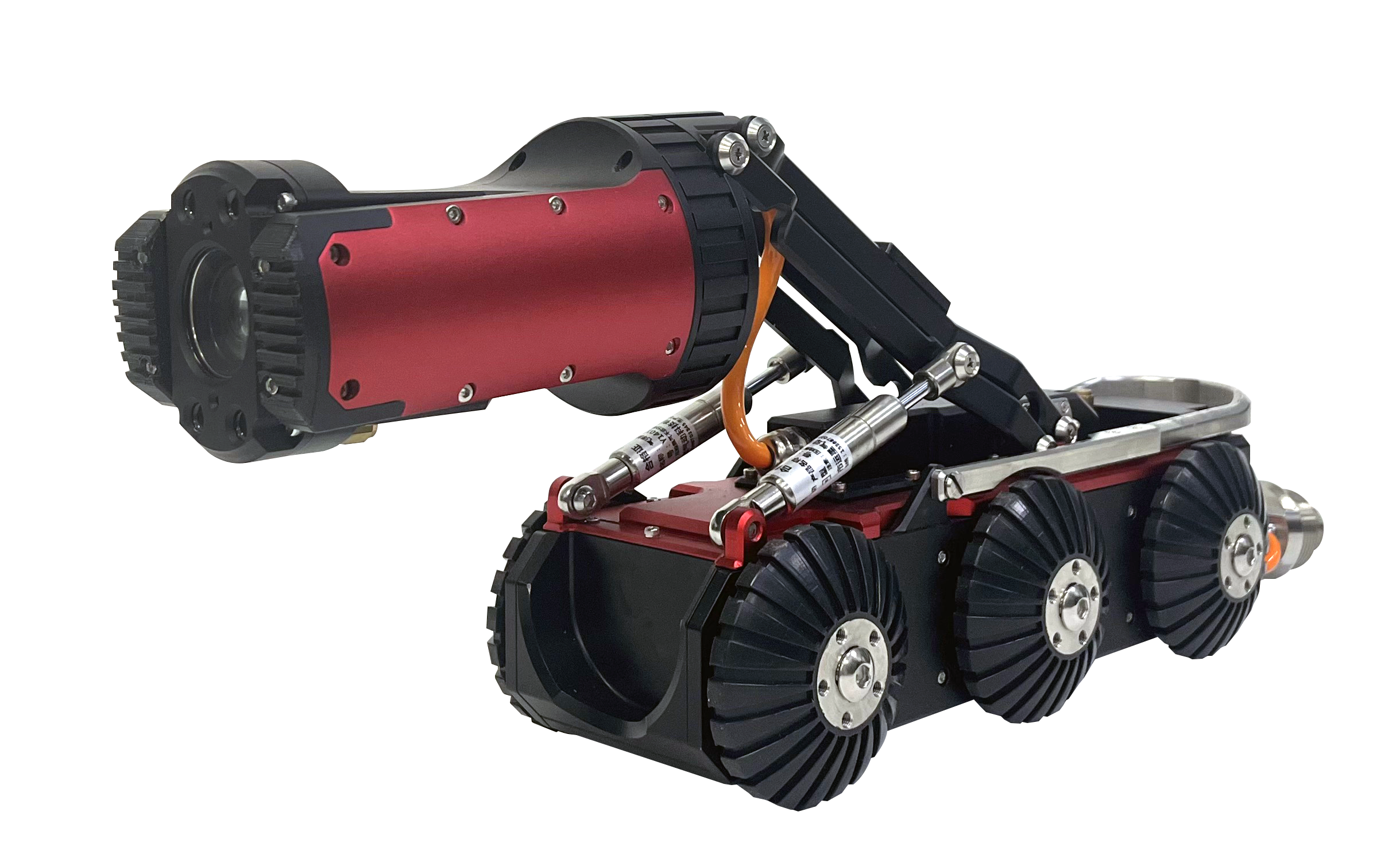
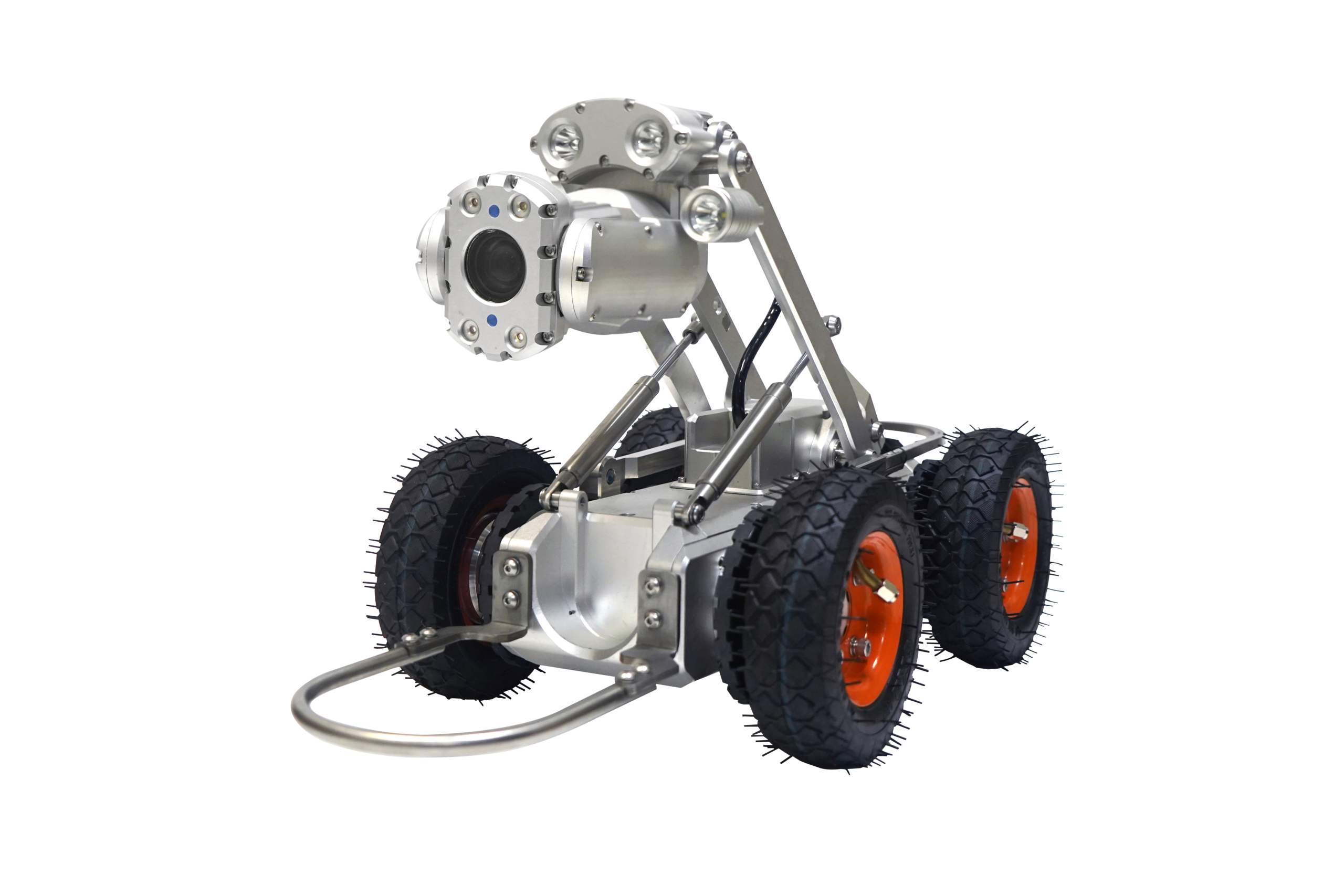
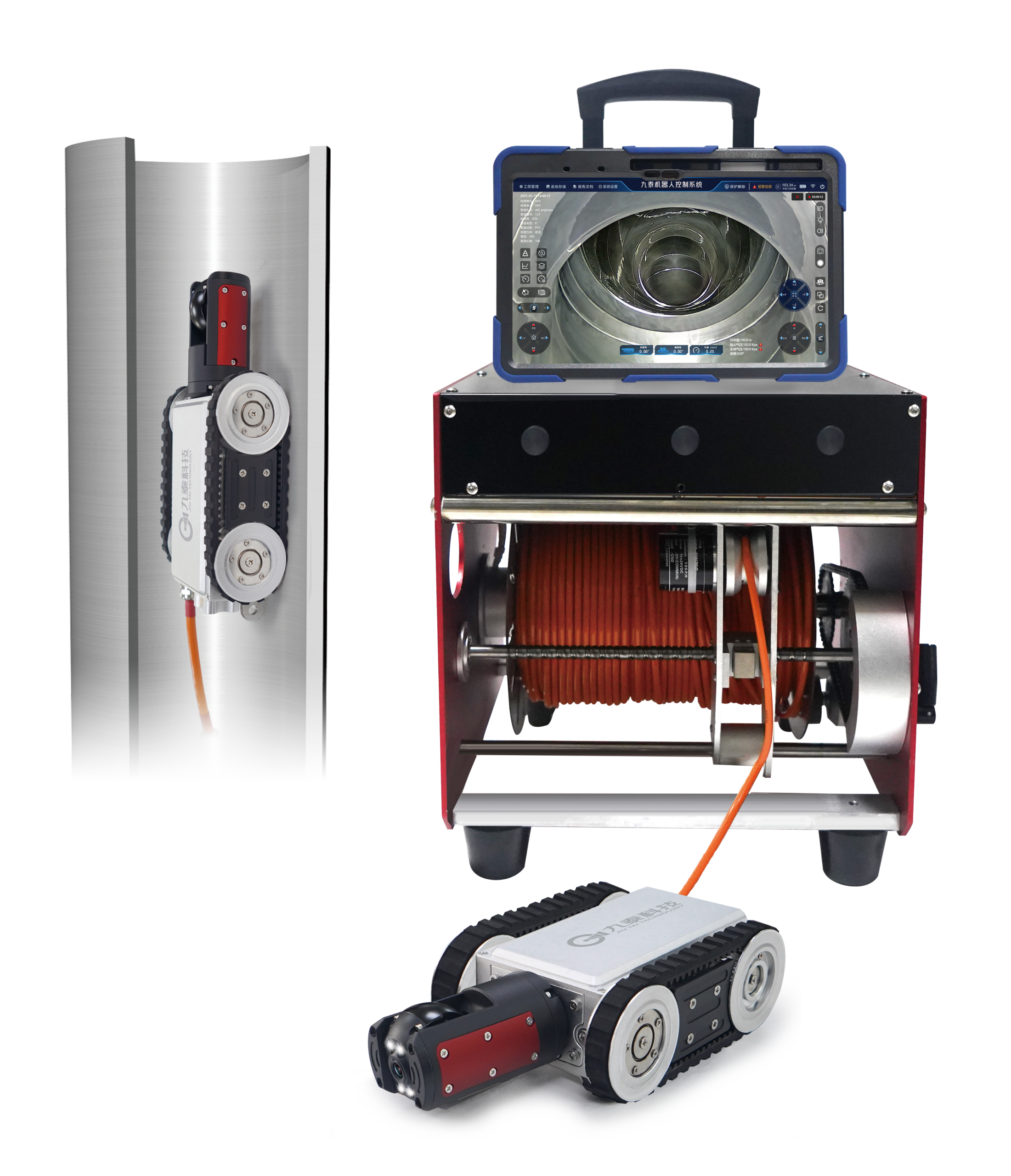
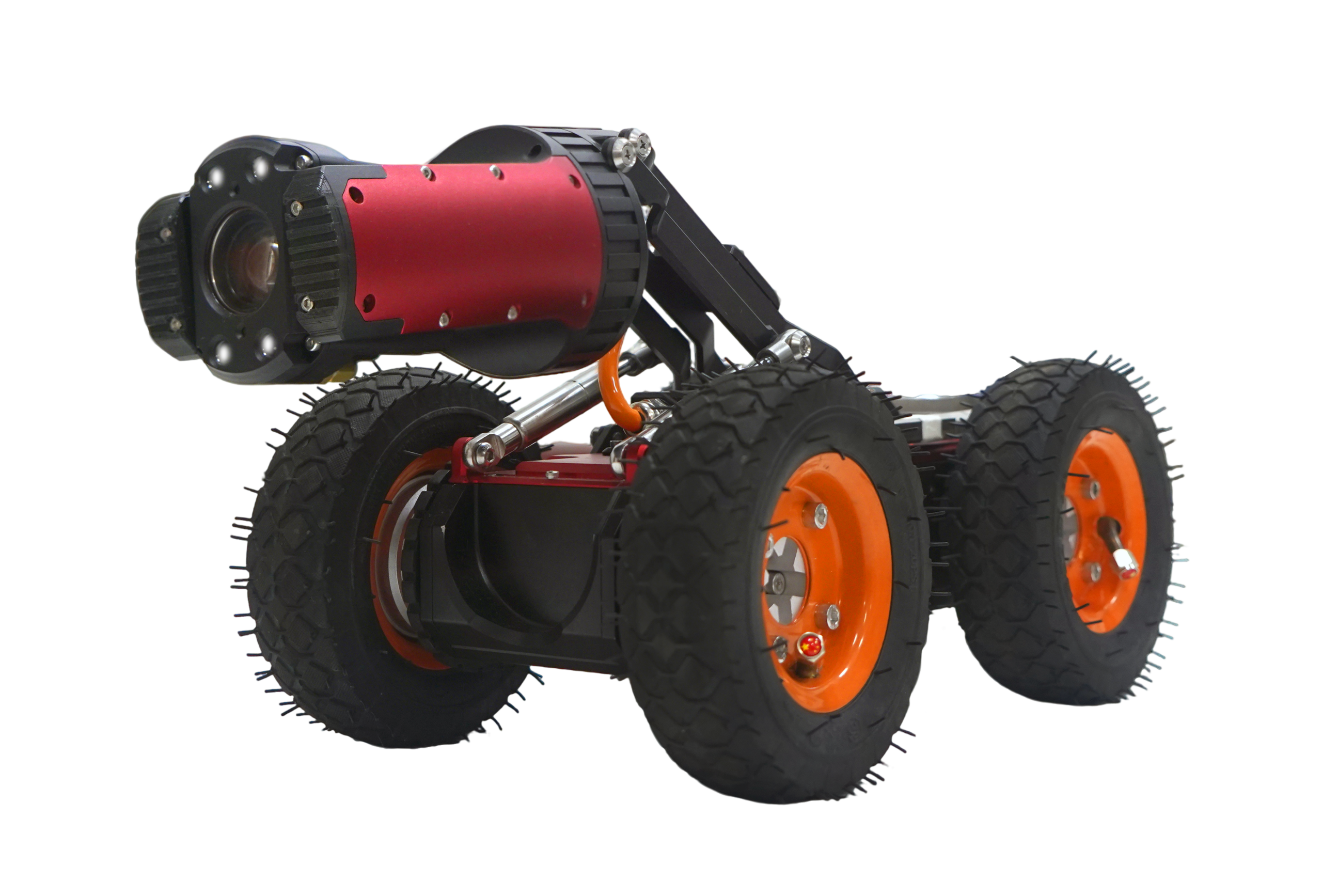
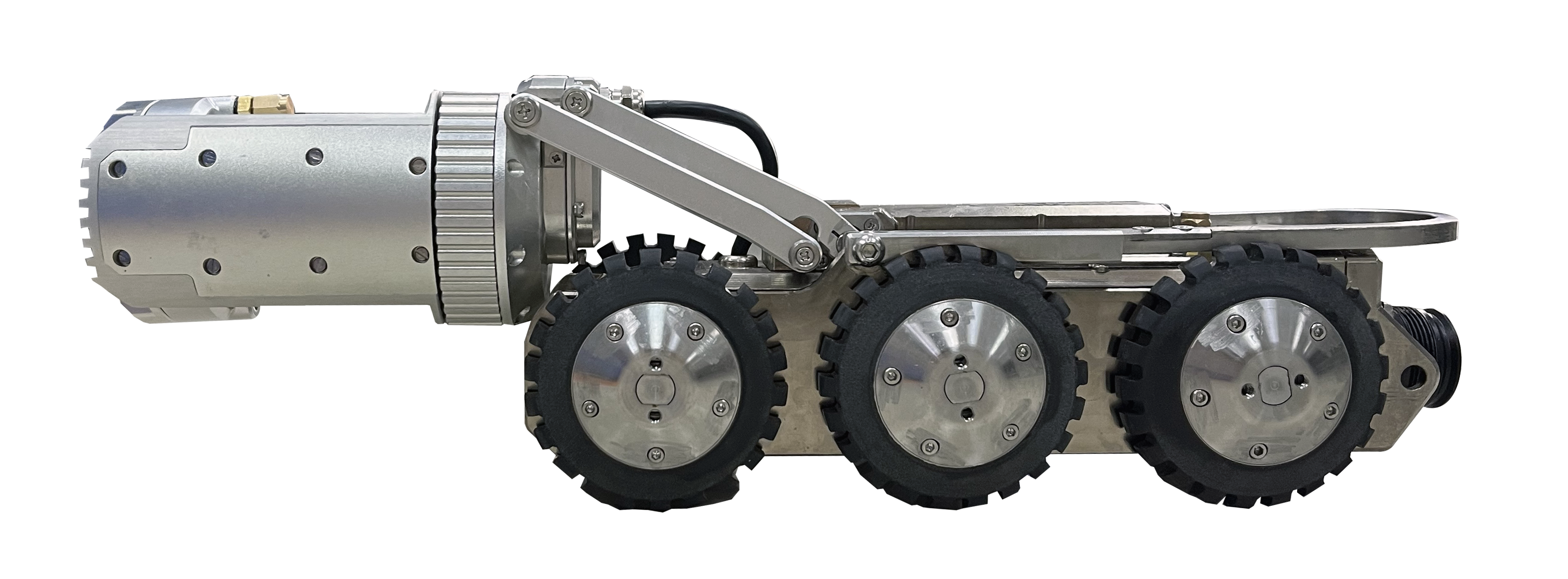
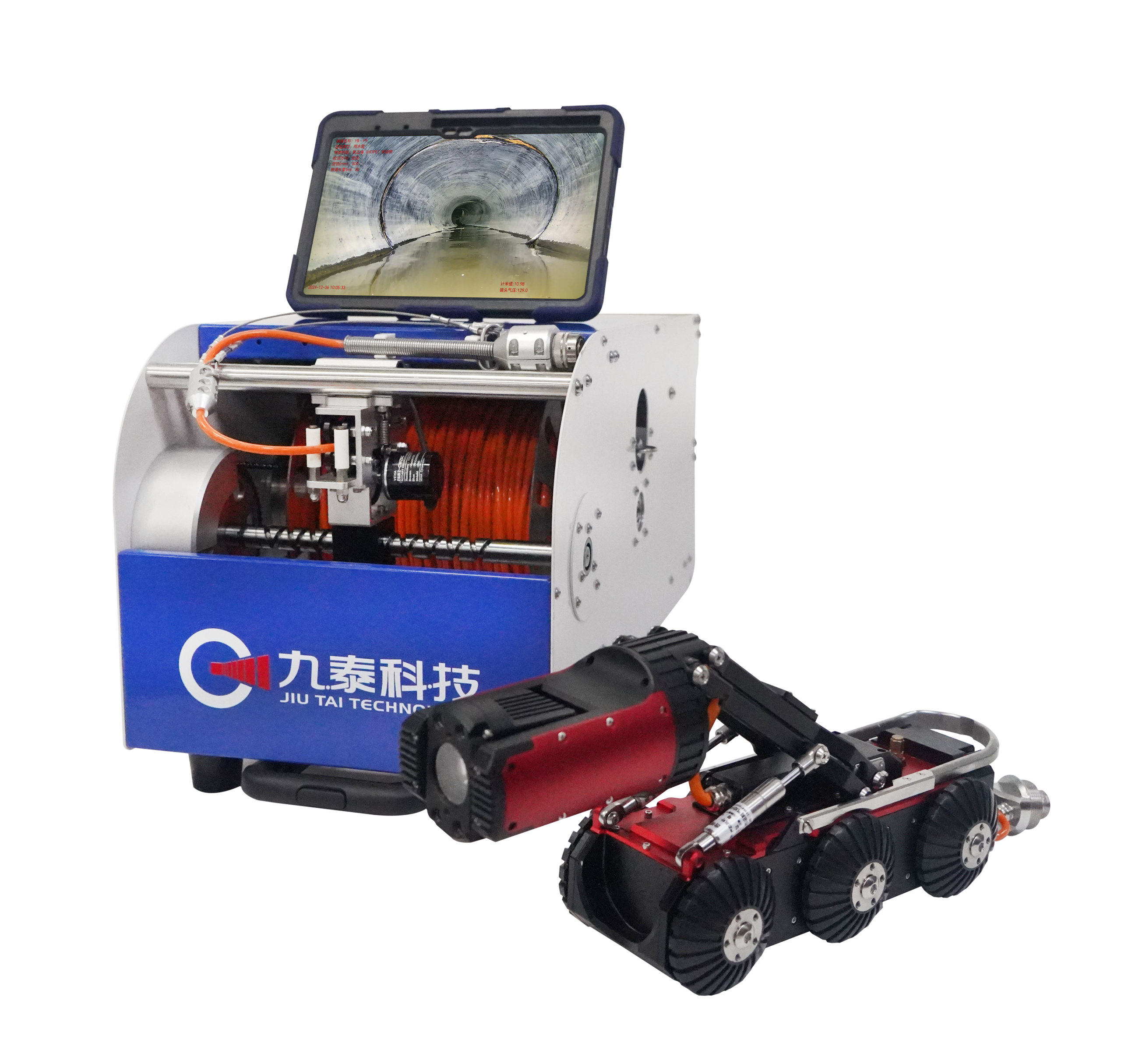
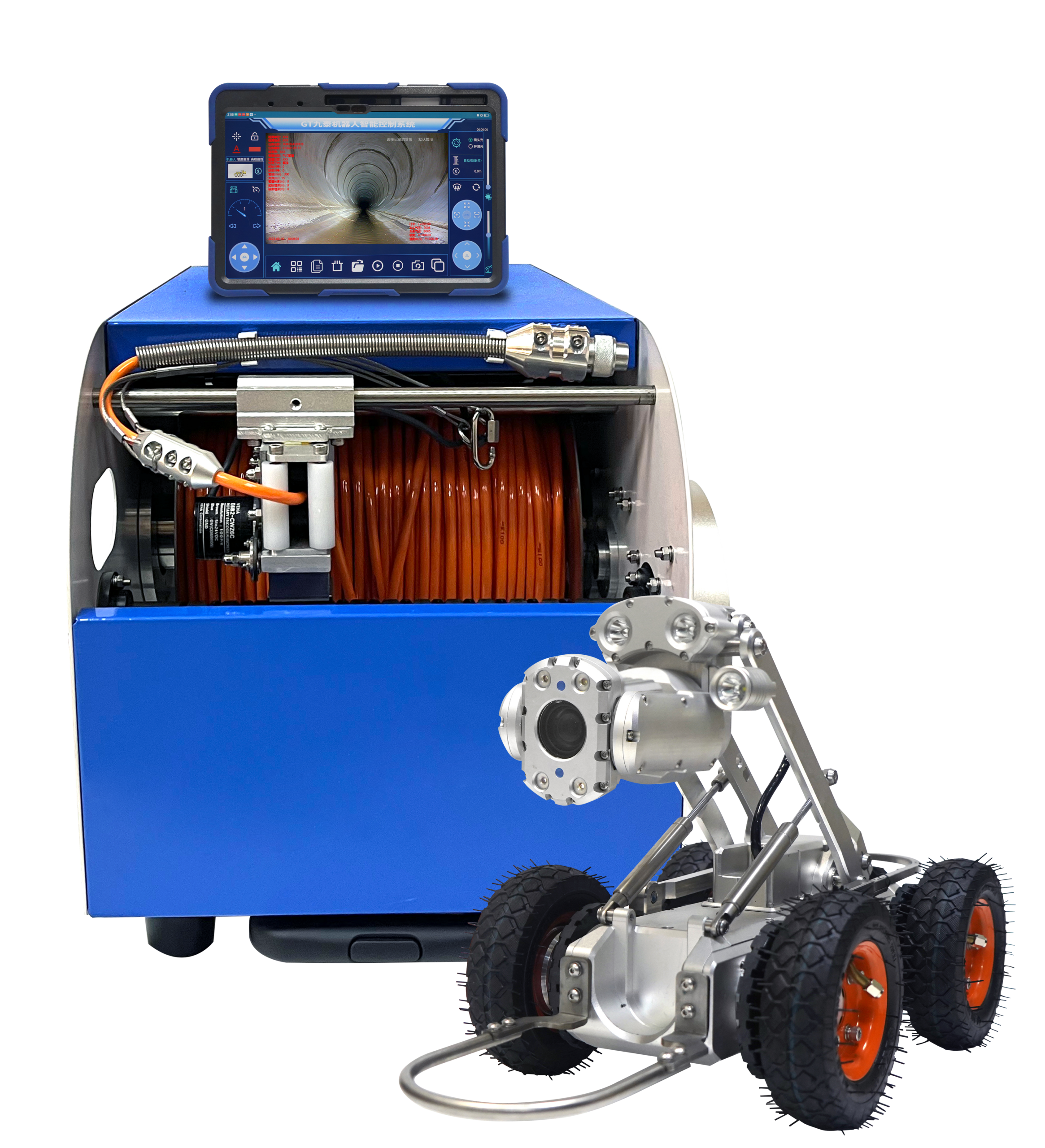
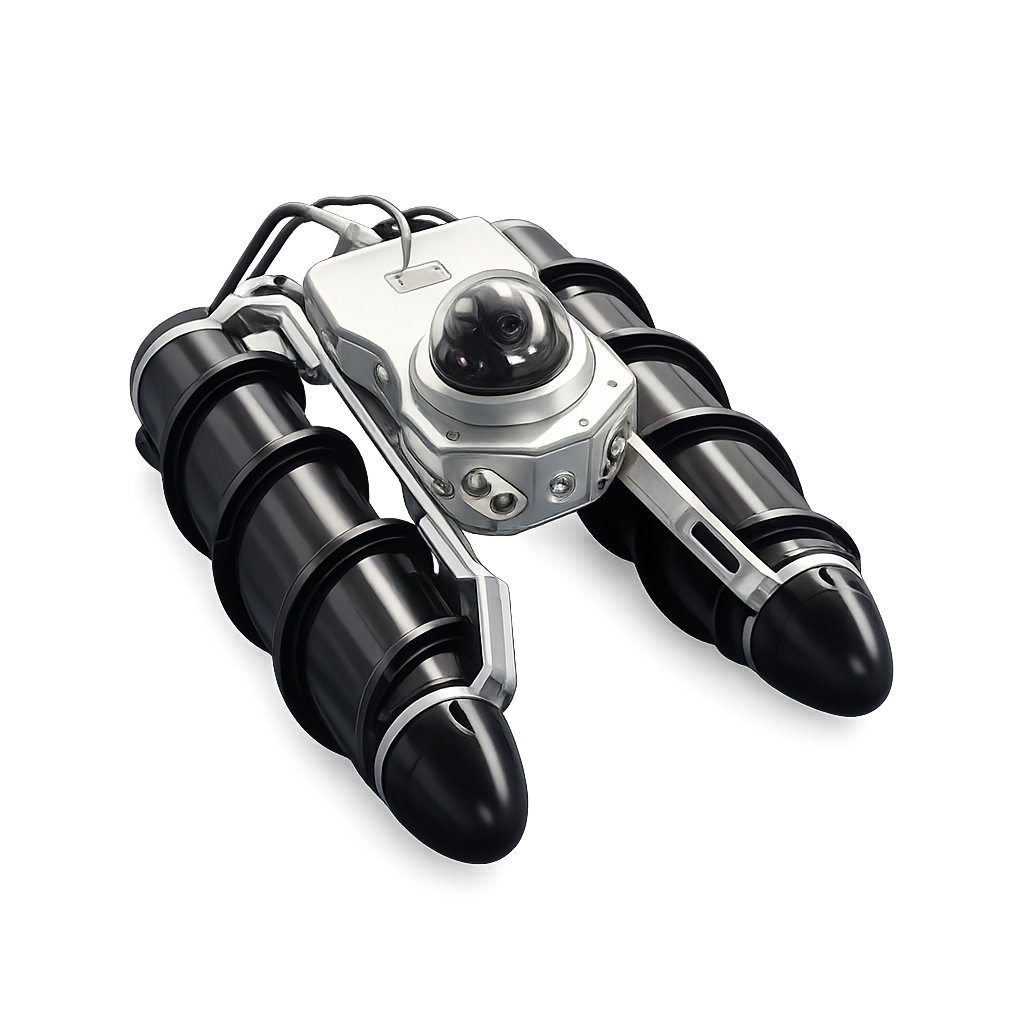
Camera Crawlers
Travel distance up to: 300 meters (electric winder). Pan tilt zoom camera 360° rotation, 220° flip
Ex db eb pxb IIC T5 Gb, IP68 & CE
4″ ~ 8″
entrance diameter range
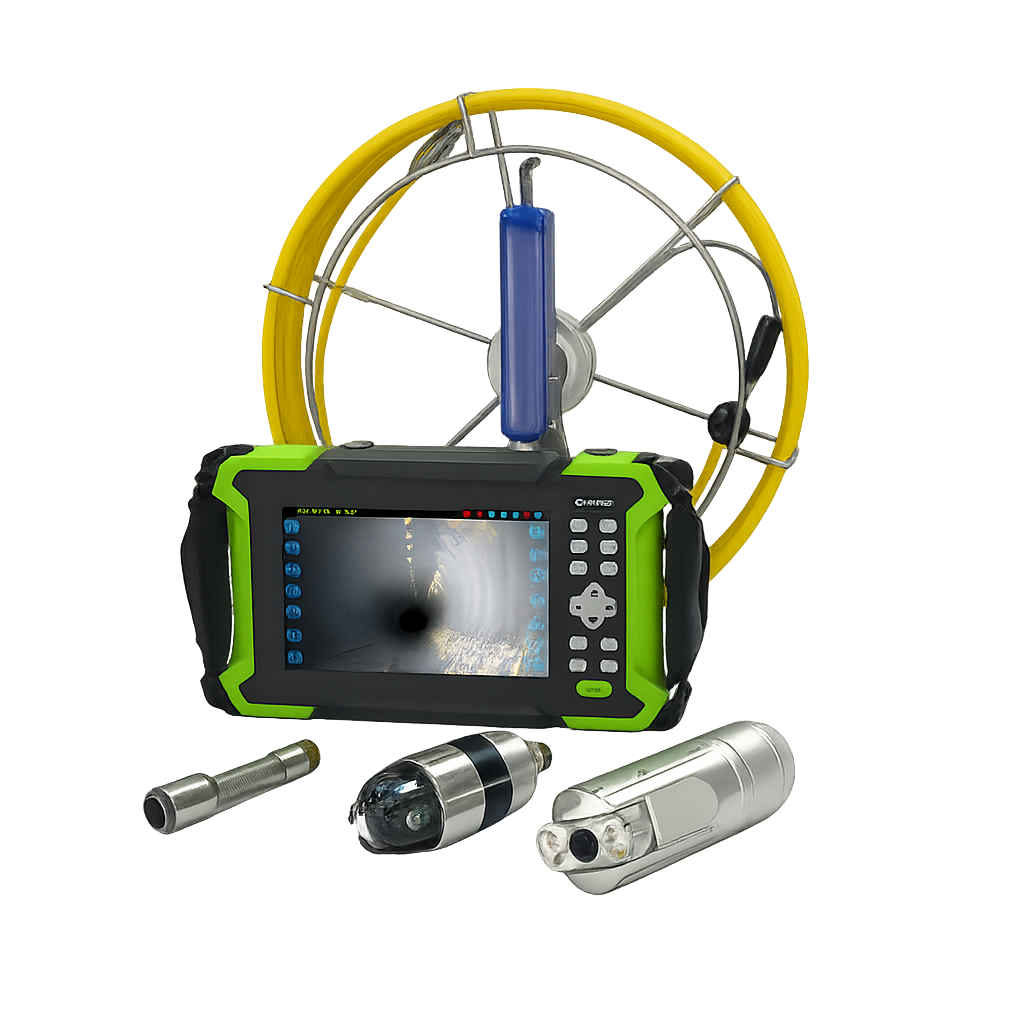
Push Rod Cameras
Travel distance up to: 120 meters. Pan tilt zoom camera 360° rotation, 220° flip
IP68-CE
1″ ~ 2″
entrance diameter range
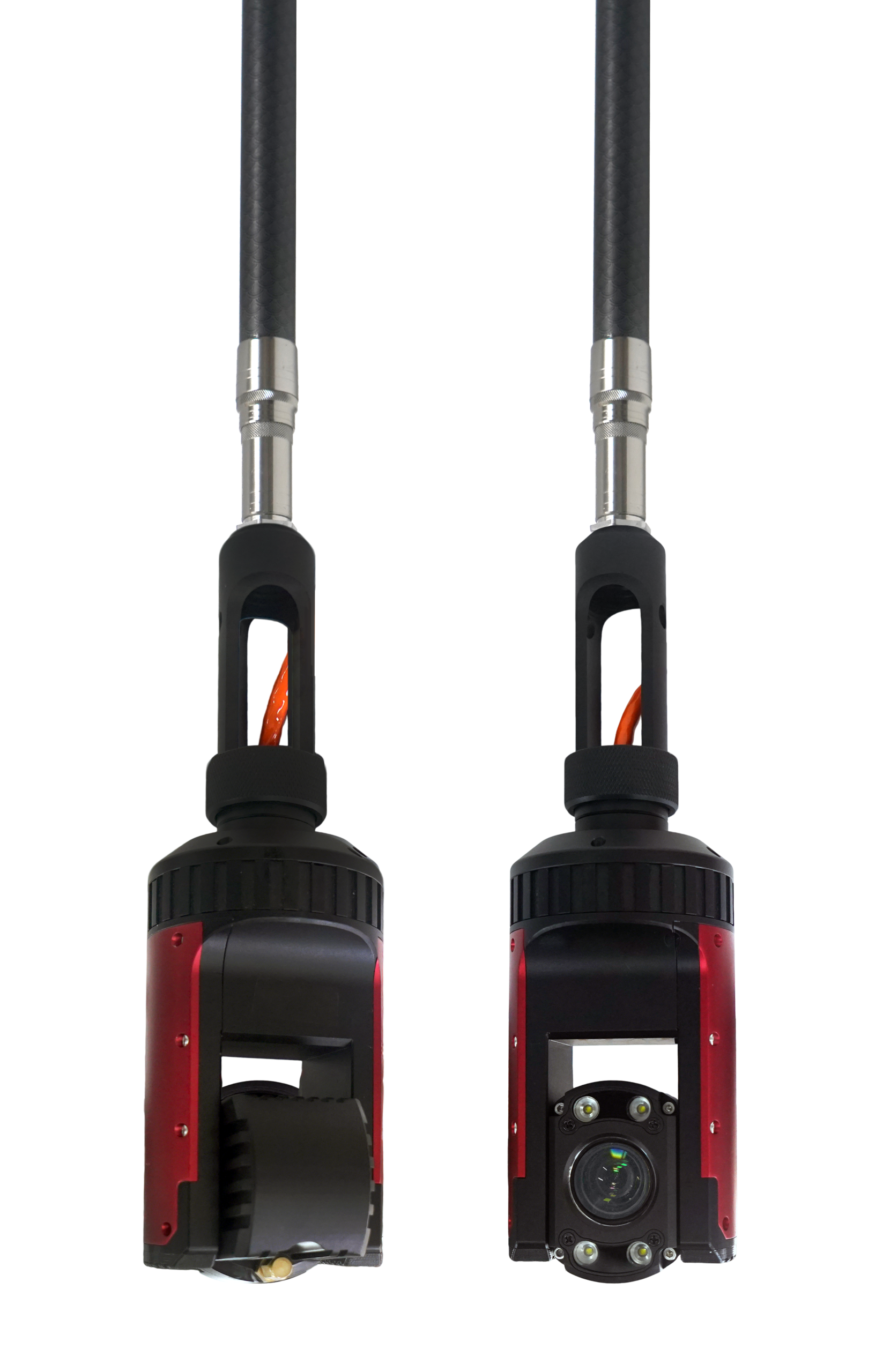
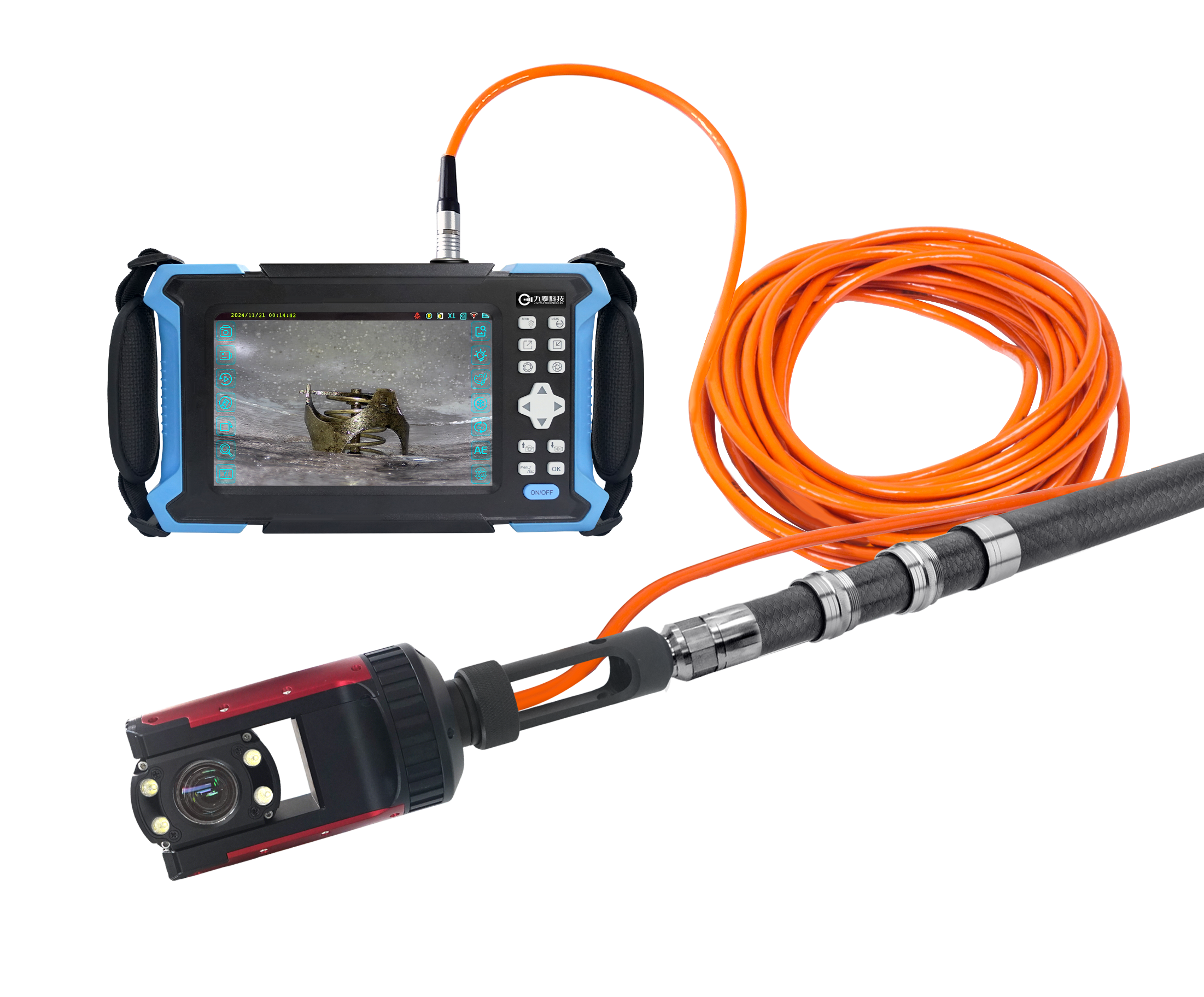
Pole Cameras
Pole length up to: 6 meters. Pan tilt zoom camera 360° rotation,180° flip
Ex eb pxb IIC T5 Gb, IP68 & CE
3″ ~ 6″
entrance diameter range
Endoscopes
Probe length: 1 ~ 10 meter. Camera 360° rotation, 180° bend
IP67-CE
2mm ~ 8mm
Probe diameter range
our latest news & blogs
Pending
-
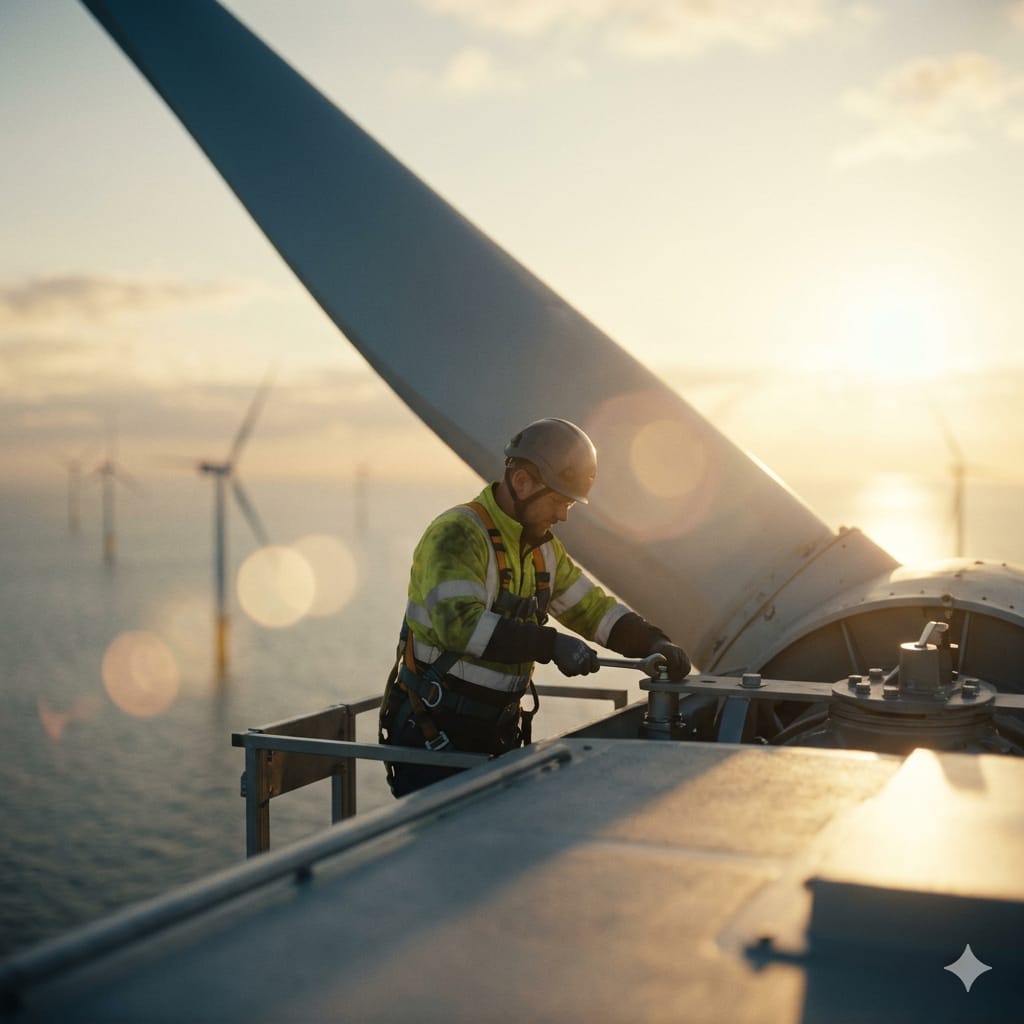
Wind turbine Inspections
The Breeze of Tomorrow Wind energy is no longer an “alternative” power source—it is rapidly becoming the backbone of the modern grid. Through massive engineering scaling, artificial intelligence, and a renewed commitment to fully recyclable materials, the wind turbine is evolving from a simple kinetic machine into a smart, sustainable powerhouse. The next time you…
-

AI for our Refineries
The Green Catalyst: AI’s Role in Sustainability The energy transition is underway, and AI is proving to be an unexpected ally in decarbonization. Emissions Tracking: AI software aggregates data from satellites, IoT sensors, and thermal cameras to create highly accurate carbon and methane emissions profiles. Carbon Capture and Storage (CCS): Simulating how CO2 behaves when…
-
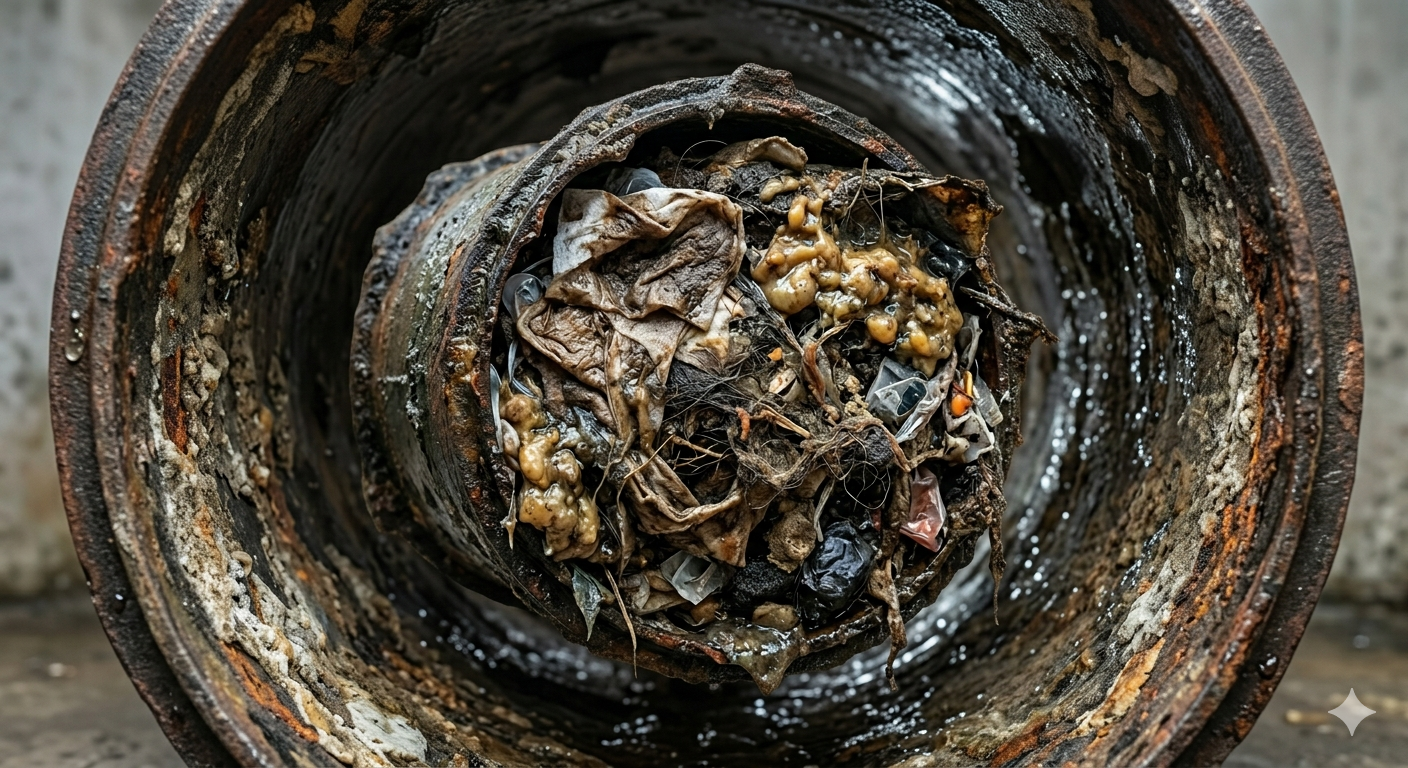
Our Sewer Blockages
The Usual Suspects: What Actually Clogs a Sewer? Most people assume sewer lines only choke on things like accidentally flushed toys. In reality, the culprits are much more mundane—and entirely preventable.
have any questions for us?
Frequently Asked Questions
What is a Pipe Inspection Robot?
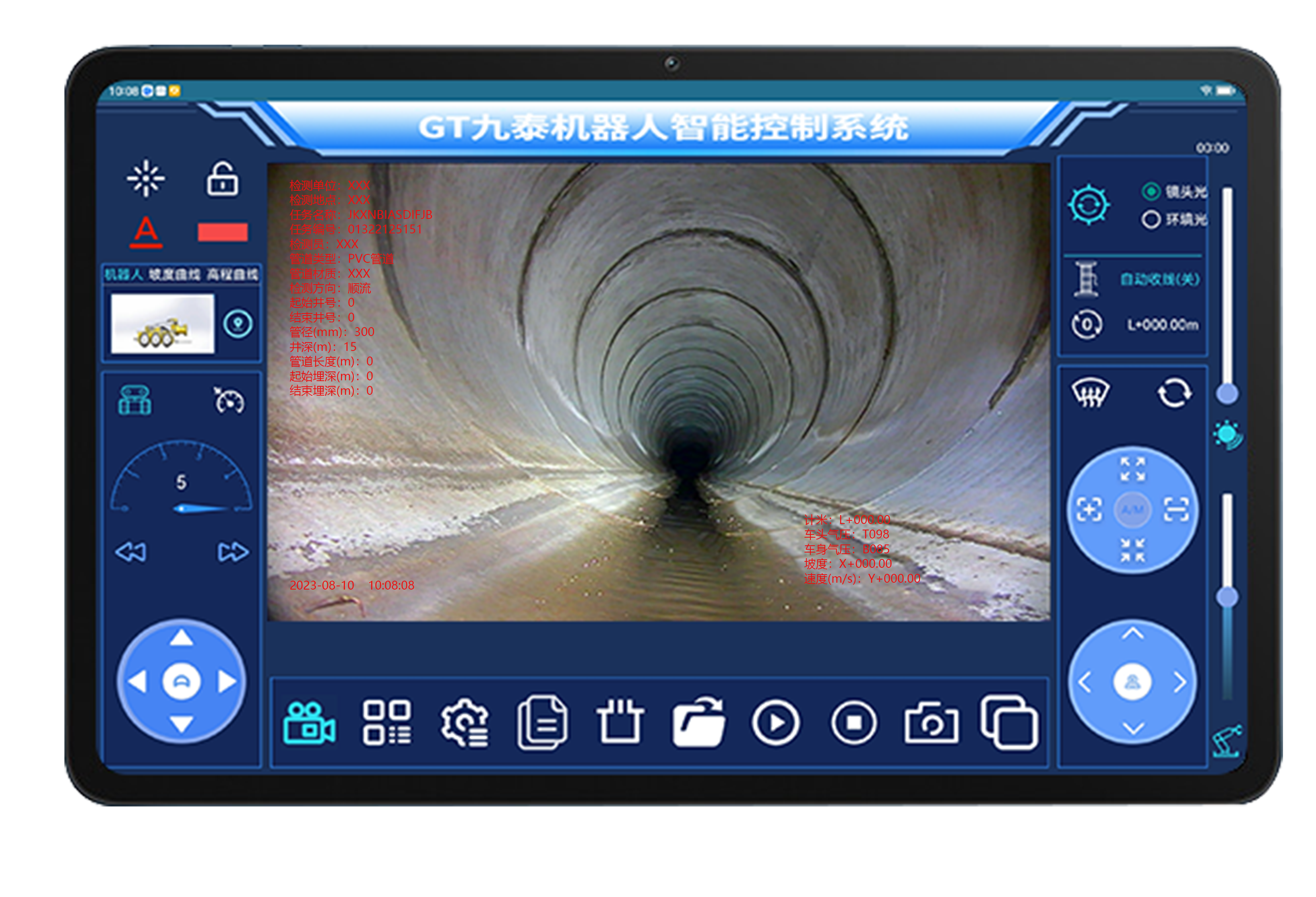
At its core, a pipe inspection robot is a specialized, remote-controlled vehicle equipped with HD cameras designed to navigate the harsh environments of various piping systems. These robots transmit real-time video and high-resolution images back to an operator, allowing for a comprehensive internal assessment without any excavation or digging.
Where Accuracy Meets Efficiency
Because these systems are non-destructive, they have become the gold standard for diagnostic work across several key sectors:
Petrochemical Pipelines: Providing safe, spark-proof inspections of critical fuel and gas lines where human entry is impossible.
Sewer & Municipal Inspection: Identifying root intrusions, blockages, and structural collapses before they lead to surface flooding.
Industrial Pipelines: Monitoring for corrosion, wear, and chemical buildup in complex manufacturing environments.
Heating & Drainage Systems: Ensuring residential and commercial systems are flowing correctly and identifying leaks early.
Building Piping: Navigating the tight bends of internal vertical and horizontal plumbing to find hidden defects.
Why It’s a “Must-Have” Tool?
For modern maintenance teams, the transition from traditional methods to robotic inspection is a game-changer. Once a team integrates a crawler or push-camera system, it quickly becomes an indispensable part of their toolkit for three main reasons:
- Cost Savings: By pinpointing the exact location of a problem, you avoid the massive expense of “blind digging” and unnecessary surface restoration.
- Safety: Robots can enter hazardous, confined, or chemically volatile spaces, keeping human operators safely above ground.
- Preventative Maintenance: Catching a hairline crack or minor corrosion today prevents a catastrophic (and expensive) pipe failure tomorrow.
The Bottom Line: Pipe inspection robots turn invisible problems into clear, actionable data. It’s not just a tool it’s the most efficient way to protect your infrastructure.
What Pipe Diameter and Material?
The most important factor is the range of pipe sizes you service.
Versatility: Look for a system with adjustable wheel sets or “elevators” that allow the camera to remain centered in the pipe regardless of the diameter.
Push Cameras: Ideal for small-diameter building drains (1″ to 6″).
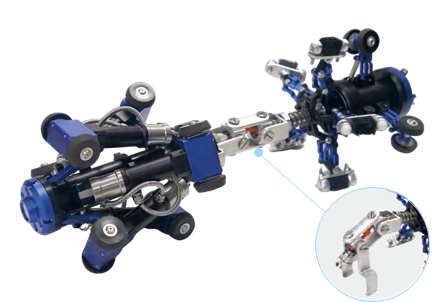
Crawler Robots: Necessary for larger municipal or industrial lines (4″ to 60″+).
What is Image Quality and Lighting?
In a dark, damp pipe, pixels matter. High-definition (HD) visuals aren’t just a luxury; they are the difference between seeing a “shadow” and identifying a structural hairline crack.
Self-Leveling: This keeps the image upright as the camera moves, preventing operator disorientation.
Pan-Tilt-Zoom (PTZ): Ensure the camera head can rotate 360° to inspect lateral connections and welds.
What is the warranty?
We provide 1-2 years warranty after shipment date. Support one year remote warranty service (fault diagnosis, online guidance, parts delivery, etc.)
What is Cable Reach and Durability?
Think about your typical access points (manholes, cleanouts, or vents).
Strength: The cable is your “lifeline.” It must be reinforced (often with Kevlar) to withstand the friction of being pulled through rough concrete or cast iron.
Length: Standard reels range from 50 meters to over 300 meters. Choose a length that allows you to cover the distance between access points with a 10% safety buffer.
What is Locomotion and Maneuverability?
How the robot moves determines how much of the pipe you actually see.
All-Wheel Drive: Look for high-torque motors if you frequently work in pipes with heavy silt or greasy buildup.
Steerable Crawlers: Essential for navigating around debris, through offsets, or choosing a path at a “Y” junction.
why need Advanced Modular Features?
Modern systems can do more than just “look.” Depending on your industry, you may need “Swiss Army Knife” capabilities:
Ultrasonic Thickness: Measures the remaining wall thickness of metal pipes to predict lifespan.
Laser Profiling: Creates a 3D Laser Model of the pipe to detect ovality or deformation.
Why The “Pre-Wash” (At the Job Site)?
Don’t let the grime dry. Once sewage or industrial sludge hardens, it becomes ten times harder to remove and can damage the camera lens coating.
- Wipe as you retract: Use a “down-hole” cable cleaner or a simple rag soaked in disinfectant to wipe the cable as it is being wound back onto the reel.
- Low-pressure rinse: If water is available on-site, give the crawler a quick rinse with a garden hose (avoid high-pressure jets at this stage) to knock off the heavy solids.
2. Deep Cleaning (Back at the Shop)
The Gear You Need:
- Personal Protective Equipment (Gloves, face shield, and apron).
- Mild pH-neutral soap or specialized equipment cleaner.
- Soft-bristled brushes (an old toothbrush is perfect for tight spots).
- Microfiber cloths.
The Process:
The Connectors: Inspect the gold-plated pins on the cable connectors. If they are dirty, use a Q-tip with a tiny bit of rubbing alcohol. Ensure they are completely dry before reconnecting.
Seal Check: Ensure all waterproof caps (charging ports, data ports) are tightly closed before starting.
Gentle Scrub: Use warm soapy water and a soft brush to clean the wheels, tracks, and the body of the crawler.
Camera Lens Care: Use only a clean microfiber cloth and dedicated lens cleaner. Never use a scrub brush on the lens, as micro-scratches will ruin your HD video quality.
What’s your delivery time?
Around 3-10 working days according to exact order quality and stock situation.
Eén reactie